The Pentagon accelerated a strategic military buildup in the Middle East this week, positioning high-level naval and air assets as Washington increases pressure on Tehran ahead of critical nuclear discussions.
Defense officials confirmed that the USS Abraham Lincoln carrier strike group has entered the Gulf of Oman, supported by additional squadrons of F-35C Lightning II fighter jets and long-range refueling tankers. The Department of Defense described the deployment as a “posture adjustment” intended to reinforce U.S. capabilities near the Strait of Hormuz while negotiators prepare for the reconvened P5+1 Summit in Geneva.
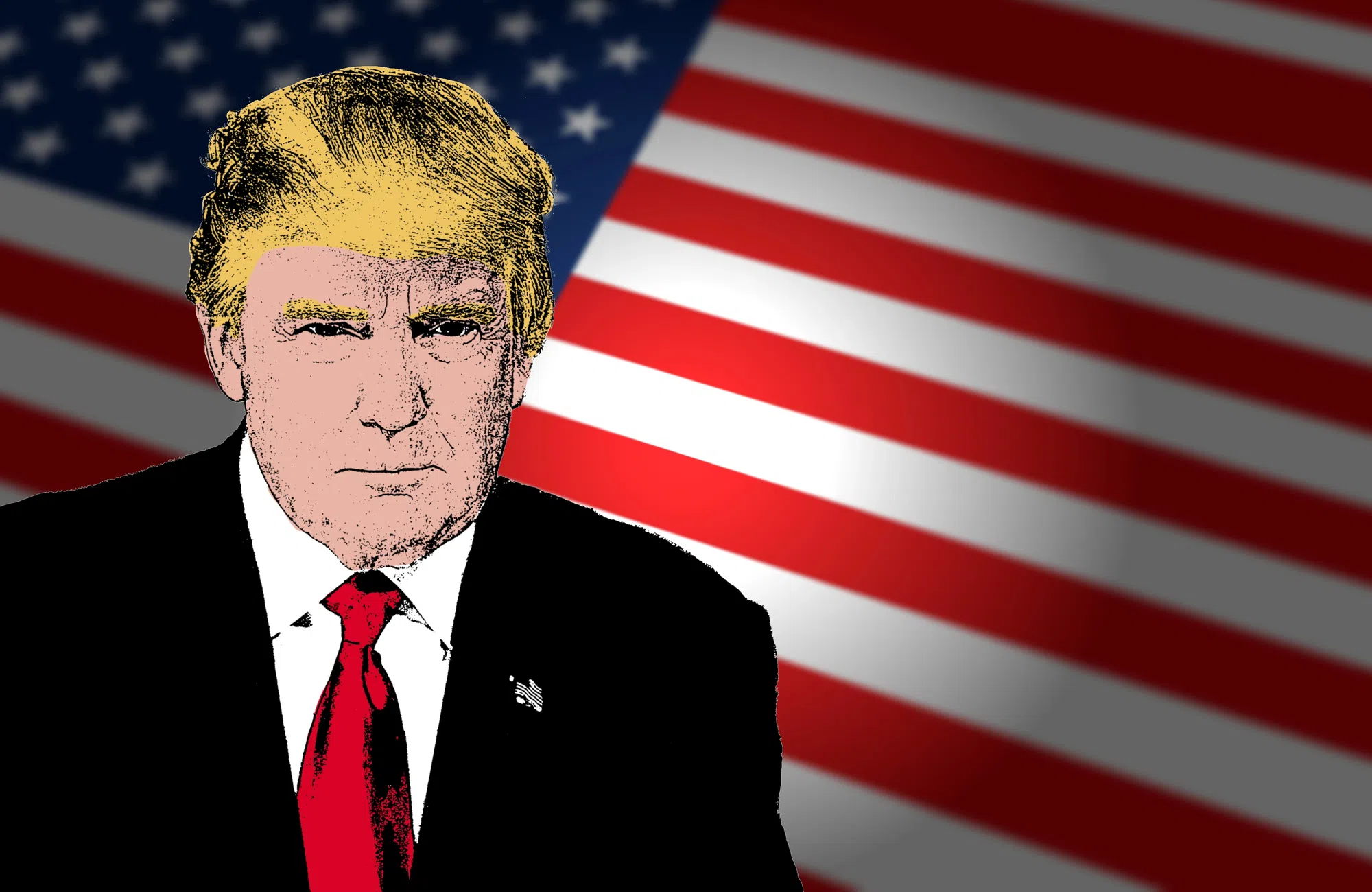
The military shift follows President Trump’s signing of Executive Order 14201, which imposes a new wave of sanctions targeting the “shadow fleet” of tankers allegedly transporting Iranian crude oil in violation of international law. The president characterized the “maximum pressure” approach as a necessary precursor to the Geneva talks, warning that while diplomacy remains the priority, the U.S. is prepared for “alternative contingencies” if negotiations fail to secure new limits on uranium enrichment.
In response, the Islamic Revolutionary Guard Corps conducted rapid-response naval exercises, warning that any “unauthorized surveillance” by drones over the Strait would be met with force. Tehran maintains that its nuclear program is strictly for civilian energy purposes and insists that lifting economic sanctions is a non-negotiable prerequisite for a new deal.
As both sides arrive in Geneva, the parallel escalation of military maneuvers and diplomatic rhetoric underscores the fragile balance defining this high-stakes 2026 summit.